
Vultures
The sixth mass extinction brought on by human activities is the biggest projected loss of biodiversity in 65 million years. One million species of animals and plants are thought to be in danger of facing extinction, and many of them are expected to do so in the next decades. This terrible loss imperils both the continued existence of our own species and the entire natural order of our planet.
Time is no longer on our side; it won’t be long until it’s too late to turn around. By helping to preserve vultures from extinction and thus stem the loss of biodiversity, Horstmann Trust offers a road to a more optimistic future for all of us.
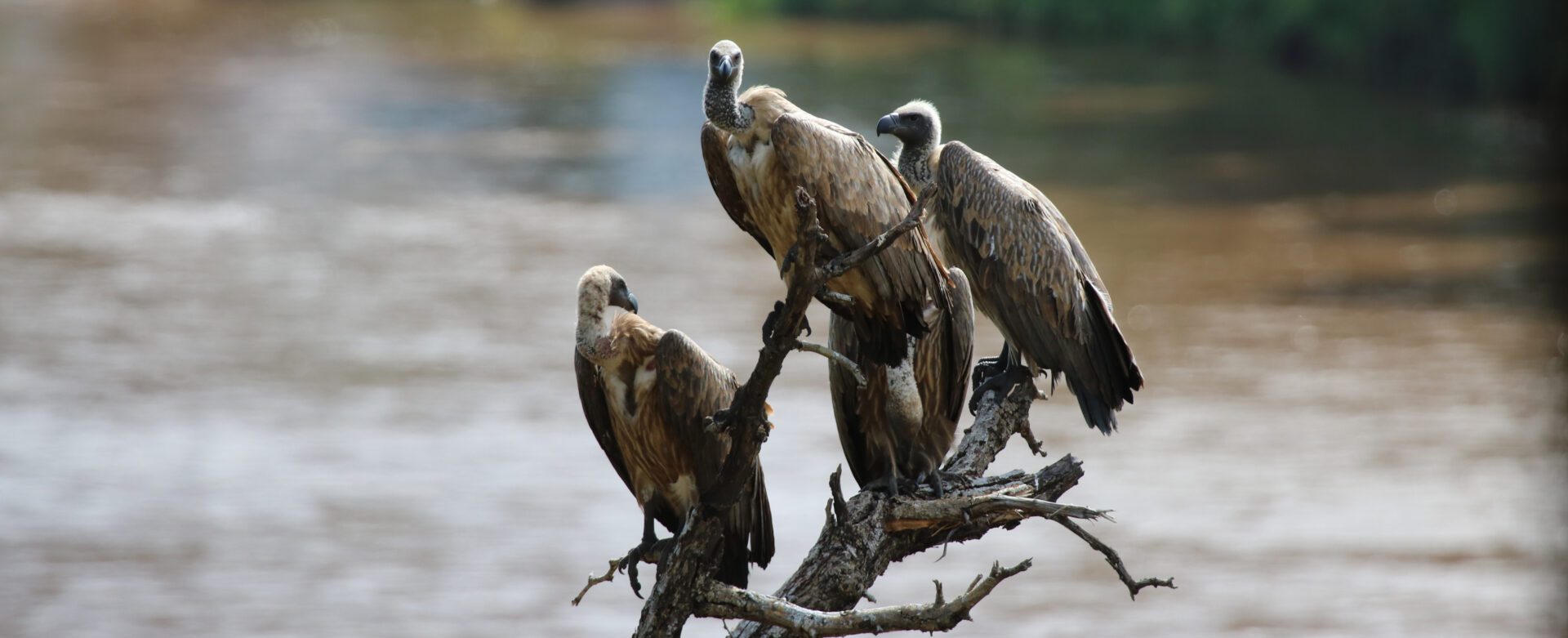
Vultures are found across 5 continents and face threats throughout their range. Although the individual threats vary by country, all have one thing in common – humans. From poisoning to collisions with power-lines, persecution to habitat loss, virtually all of the threats are derived from the actions of humanity.

Some vulture populations have seen an up to 99.9% reduction. In many parts of their range vultures have become locally extinct, leading to populations being fragmented. Without the work needed to better understand and support these species, extinction is likely.
Vultures have always played a key positive role – not just in the environment but also in many cultures around the world. They have been seen as important, both in what they represent as well as the work they do as a scavenger in cleaning up carcasses.

The direct and indirect actions of people are the largest single contributing factor to the dramatic decline in vulture numbers, pushing them towards extinction. Poisoning, poaching, powerlines, use in faith based medicine and loss of habitat are just a few examples.
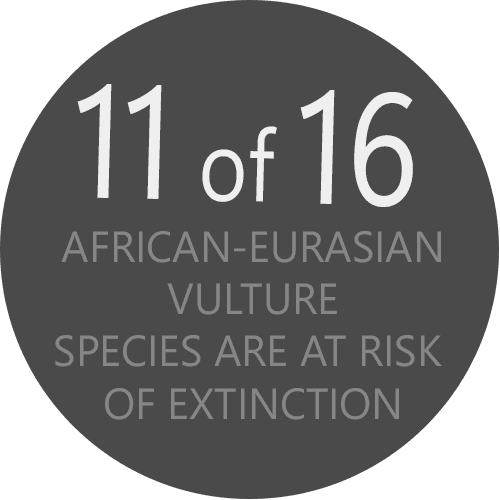
Of the 16 African and European vulture species 11 of them are facing extinction in our life times. Globally, of the 23 species 14 are threatened with extinction including the largest of all the flighted birds, the condors.
Why are vultures important?
Vultures are a crucial part of the ecology across 5 continents. They’re the ultimate agents of balance in the ecosystem and are also nature’s waste disposal experts, they are what is know as a Keystone species. A keystone species is an organism that helps define an entire ecosystem.
Vultures are obligate scavengers – this means that rather than be a predator, they simply find something which has already died and tidy up the carcass. After thousands of years of evolution, various species have come together to make use of nearly every part of the body.
Some of the bigger vultures clear as much of the flesh as quickly as possible, some of the smaller ones specialise in delicately taking small pieces from the harder to reach bits of the carcass. The bearded vulture has even become so highly adapted that their diet consists mainly of the bones left behind.
This in turn means that vultures are responsible for removing up to 80% of the carcasses from their environment, which might otherwise have been left to rot. Whilst there are other animals who also scavenge, none do so with quite the finesse of the vultures. They help to keep the environment cleaner and this has led to vultures becoming significantly important as cultural symbols for the afterlife.
One of the diseases which vultures help to prevent the spread of is rabies. After the massive vulture population crash in India – by up to 99% caused by the use of nonsteroidal anti-inflammatory with livestock. The drug at the heart of this use was Diclofenac and has caused the feral dog and rat population increase. Unlike vultures, rats and dogs can carry and spread rabies which led to an increase in the number of human cases. A study published in the Proceedings of the National Academy of Sciences estimated that the decline in vultures led to an additional 48,000 human deaths from rabies between 1992 and 2006 and the cost of this to the economy is an estimated at $34 billion over the same period.
Vultures once numbered in the tens of millions in some areas, but a combination of human activities has driven sharp declines in their populations, pushing these birds to edge of extinction. We work with a unique collection of these species to further conservation efforts, release birds to the wild and improve research capabilities.

Fundraise
There are lots of ways to get involved and raise much needed funds for our work. We’re here to support you along the way…
Donate
With your generous support we will continue to make a lasting difference for the vultures around the world.
Subscribe
We would love to keep you up to date with news from our projects, events, fundraising campaigns and more.