
Our Vultures
The Horstmann Trust is home to eight species of vulture and all are classified as vulnerable or higher on the IUCN Red list of threatened species. We are passionate about all of them, however our focus is drawn to four main species. Whether it’s breeding or research, each species we have is part of a wider plan working in collaboration with other organisations and individuals. Our largest populations are our hooded and Egyptian vultures, of which we have both breeding pairs and cohorts of mixed birds. If a bird is beyond breeding age, it still has a vital role to play in teaching the fledging birds how to behave in a group – these cohorts also mean we can facilitate natural mate selection and studies into natural group behaviours. Our other key species are the much larger Andean condor and bearded vulture. Find out more about each of these species below.

Andean Condor – Vultur gryphus
Andean condors are the only new world vulture species in our collection and are native to the Andes, the largest mountain range of South America. Despite being the national symbol of several South American countries, the condors’ main threat is from persecution by humans and it has recently been classified as ‘vulnerable’ by the International Union for Conservation of Nature. Because of condors’ comparatively slow reproductive cycle, the trust aims to establish a breeding programme now, before it is too late to have meaningful impact
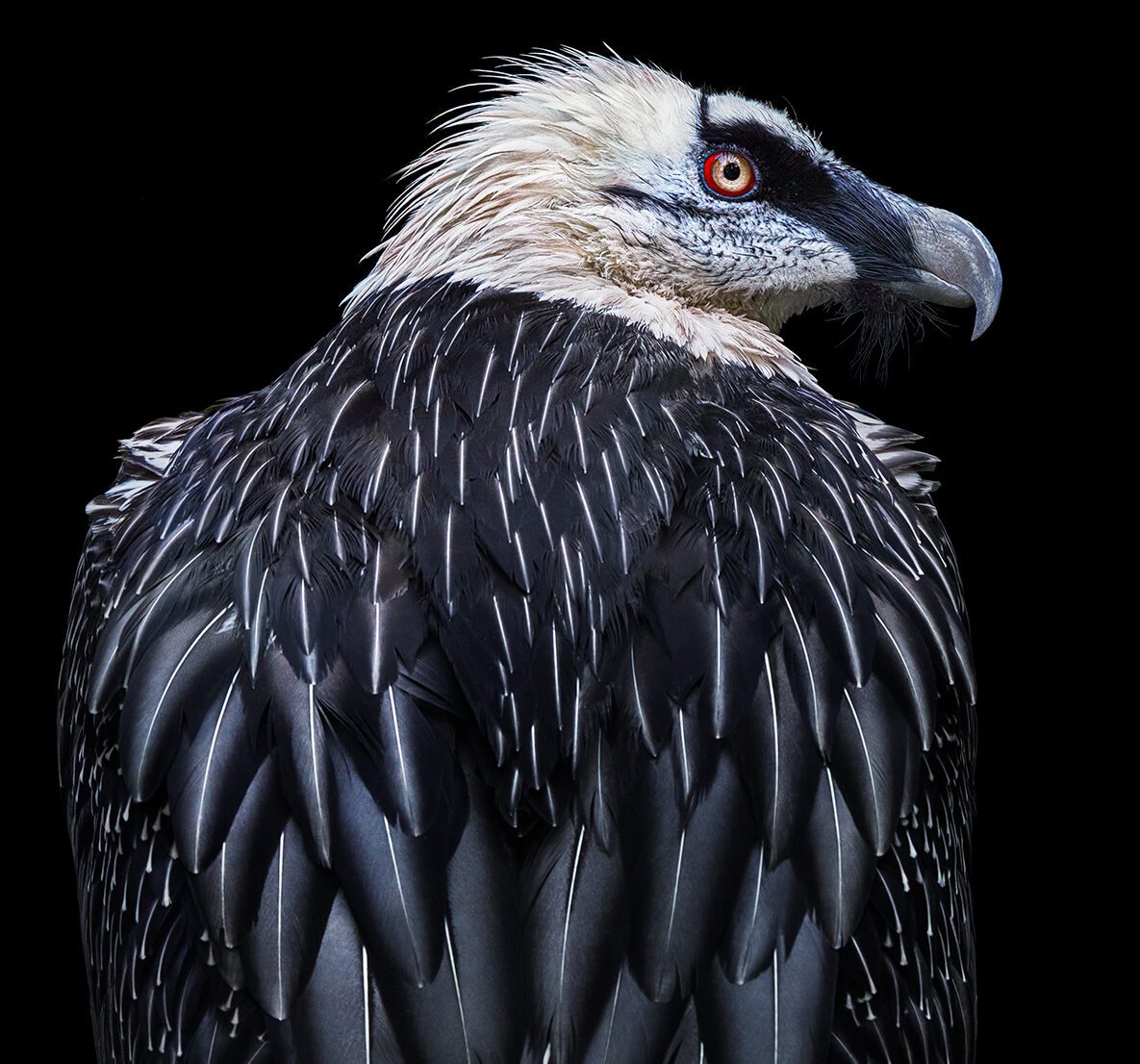
Bearded Vulture – Gypaetus barbatus
The bearded vulture is unique in being the only known vertebrate whose diet consists almost entirely of bone. What’s more, it’s one of very few known bird species that actively apply ‘makeup’ as part of its courtship practices.
The bearded vulture is classified globally as ‘near threatened’, but in Europe it’s been characterised as ‘vulnerable’ as a result of threats from human persecution and the construction of powerlines and other infrastructure.

Egyptian Vulture – Neophron percnopterus
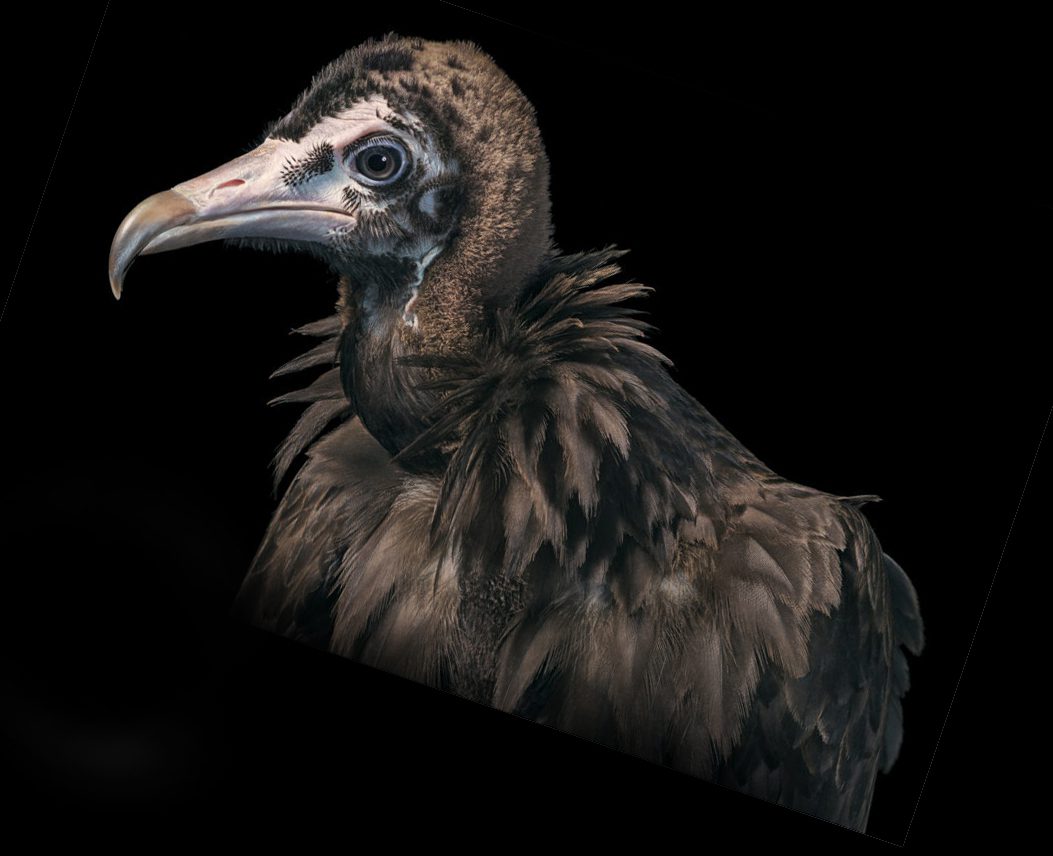
Hooded Vulture- Necrosyrtes monachus
The hooded vulture is the most endangered species in our collection – it’s listed as ‘critically endangered’ by the International Union for Conservation of Nature and is already extinct in much of its range.
An old world vulture found in sub-Saharan Africa, its most salient threats are from poisoning, persecution and its use in belief-based medicine. 90% of all vulture parts sold in street markets come from hooded vultures.
Fundraise
There are lots of ways to get involved and raise much needed funds for our work. We’re here to support you along the way…
Donate
With your generous support we will continue to make a lasting difference for the vultures around the world.
Subscribe
We would love to keep you up to date with news from our projects, events, fundraising campaigns and more.