

Two juvenile Egyptian vultures (Neophron percnopterus) are being transported from the UK to Bulgaria this week by the Horstmann Vulture Conservation Trust, marking a historic milestone for UK conservation.
It is the first time Egyptian vultures have been sent from the United Kingdom for release in Europe to support the wild population.
The birds will join Bulgaria’s long-running vulture recovery programme under the EU ‘Egyptian Vulture New LIFE’ initiative, where they will be prepared for release into the wild, reinforcing one of the continent’s most fragile and threatened vulture populations. For a species which has now been reduced to less than 90 breeding pairs in the Balkans, every individual counts.
From UK conservation breeding to the Balkan skies
The two juveniles were bred and reared at the Horstmann Trust as part of its specialist conservation breeding programme, which focuses on producing behaviourally competent, release-suitable birds.
Following transport, the birds will enter Bulgaria’s carefully managed pre-release adaptation programme, often known as ‘vulture school’. Here, young vultures are conditioned for life in the wild before release into suitable habitat within the Eastern Rhodopes, the last stronghold for Egyptian vultures in the Balkans.
Once released, the birds will be monitored by experienced field teams, contributing to a wider international effort to stabilise and rebuild the population.
Two juvenile Egyptian vultures (Neophron percnopterus) are being transported from the UK to Bulgaria this week by the Horstmann Vulture Conservation Trust, marking a historic milestone for UK conservation.
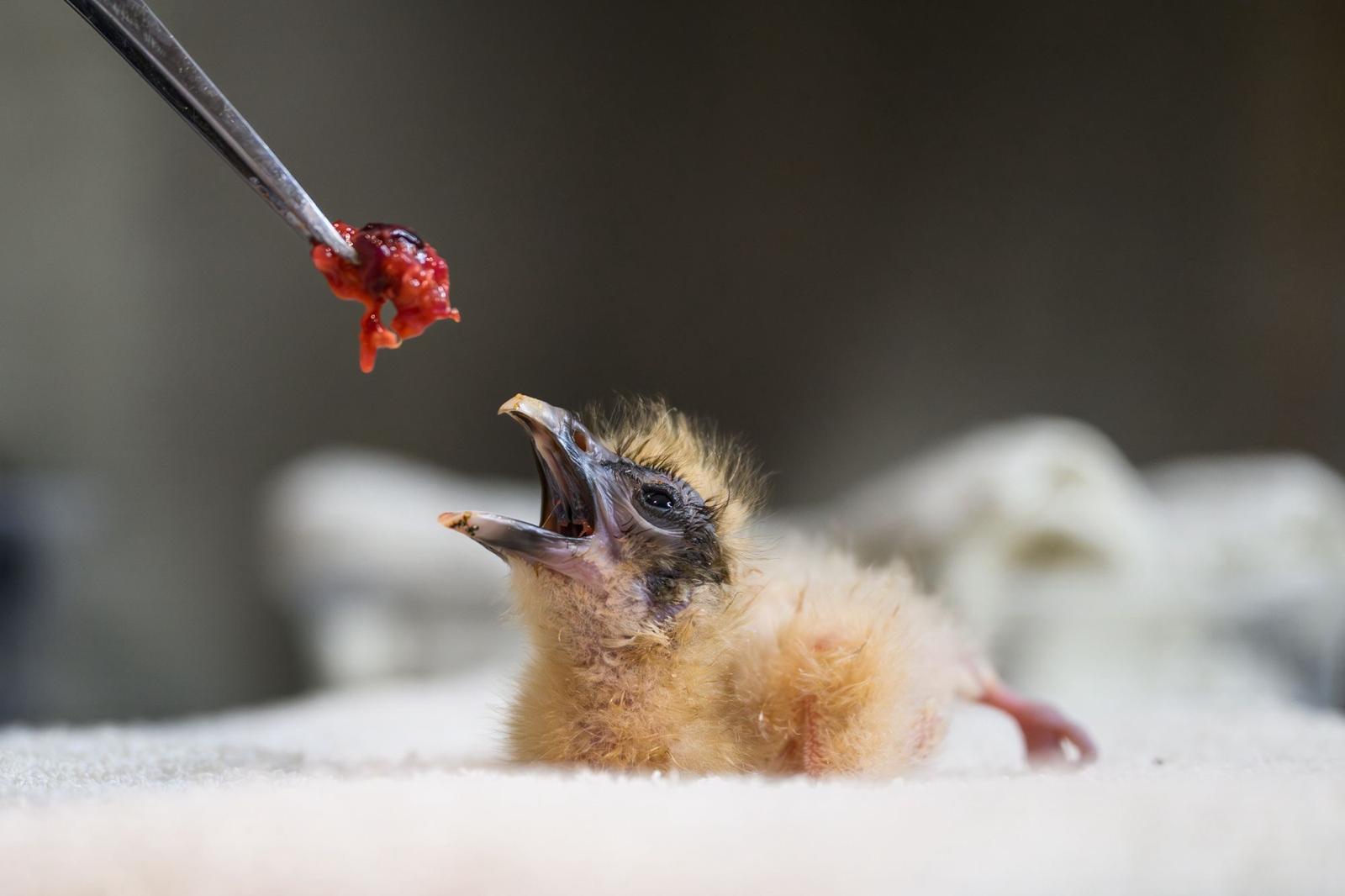
It is the first time Egyptian vultures have been sent from the United Kingdom for release in Europe to support the wild population.
The birds will join Bulgaria’s long-running vulture recovery programme under the EU ‘Egyptian Vulture New LIFE’ initiative, where they will be prepared for release into the wild, reinforcing one of the continent’s most fragile and threatened vulture populations. For a species which has now been reduced to less than 90 breeding pairs in the Balkans, every individual counts.
From UK conservation breeding to the Balkan skies
The two juveniles were bred and reared at the Horstmann Trust as part of its specialist conservation breeding programme, which focuses on producing behaviourally competent, release-suitable birds.
Following transport, the birds will enter Bulgaria’s carefully managed pre-release adaptation programme, often known as ‘vulture school’. Here, young vultures are conditioned for life in the wild before release into suitable habitat within the Eastern Rhodopes, the last stronghold for Egyptian vultures in the Balkans.
Once released, the birds will be monitored by experienced field teams, contributing to a wider international effort to stabilise and rebuild the population.
A species on the brink and why reinforcement matters
The Egyptian vulture is classified as Endangered, having suffered dramatic declines across Europe, the Middle East and Africa. The Balkan population has been particularly hard hit, with less than 90 breeding pairs remaining.
Key threats include:
- Illegal poisoning and persecution
- Electrocution and collision with energy infrastructure
- High mortality along long-distance migration routes to Africa
- Declining food availability
Reinforcement using carefully managed captive-bred juveniles has become a critical conservation tool, while wider threats are addressed across international flyways.

The Horstmann Trust: far more than a breeding centre
While the transfer of these two birds is a significant moment, it reflects a much broader conservation mission.
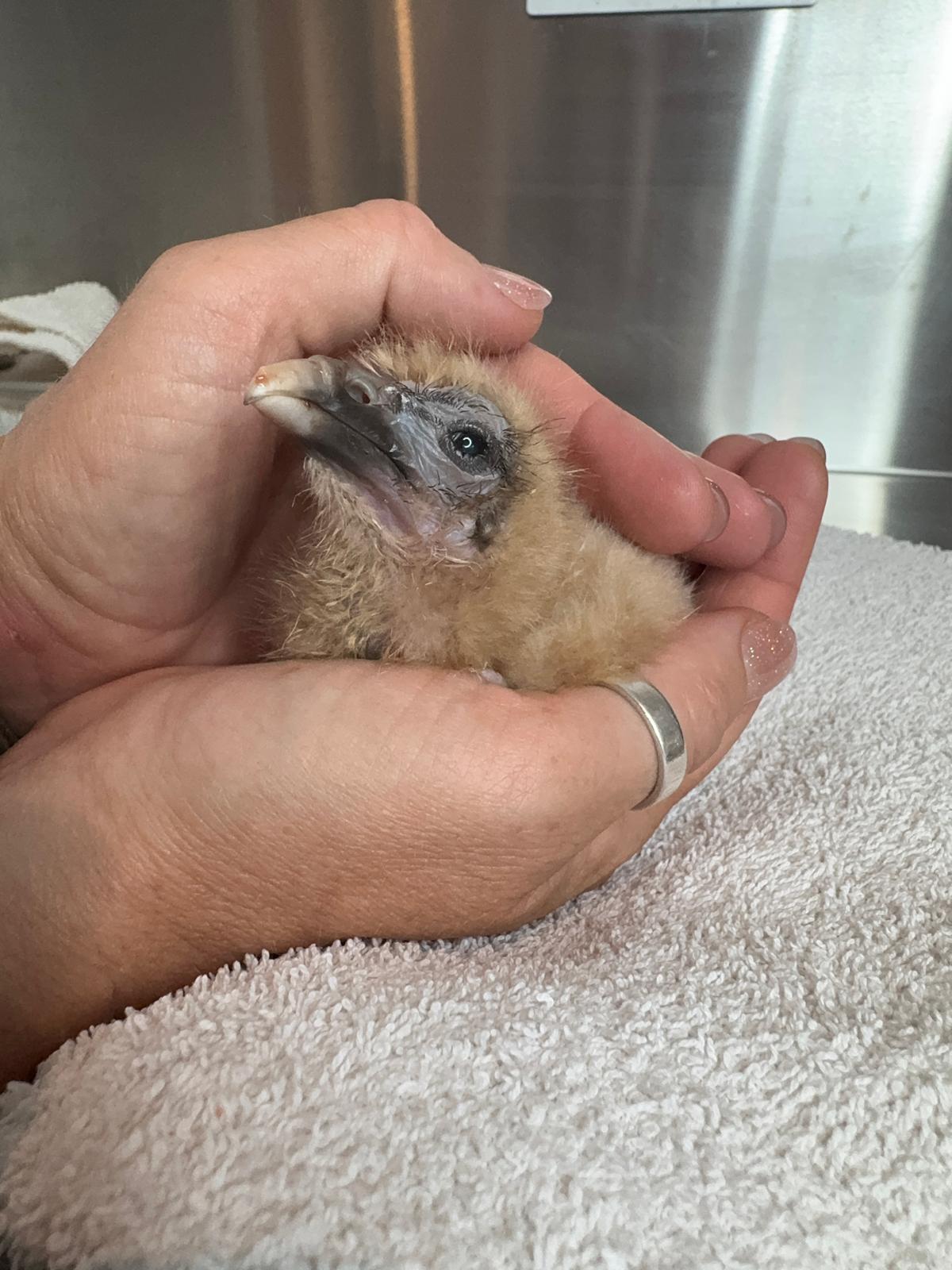
Based in the UK, the Horstmann Vulture Conservation Trust holds one of the largest and most diverse captive vulture populations in Europe, working across species from Africa, Europe and Asia. Its work spans the full conservation pipeline — from breeding and veterinary innovation to genetics research and international collaboration.
Conservation breeding & EEP leadership
· One of the largest conservation breeding populations of Egyptian vultures globally.
· Coordinator of the European Endangered Species Programme (EEP) for the Hooded vulture
· Proven success in producing birds suitable for release and reinforcement projects.
Veterinary care, welfare & innovation
· Specialist avian veterinary collaboration, including advanced treatment for ageing and injured birds
· Development of improved husbandry and welfare standards, including evidence-based approaches to managing imprinted birds
Hands-on support to other institutions facing complex welfare or breeding challenges
- Science-led conservation
- Active research in genetics, full genome sequencing and microbiome science to inform future release programmes and disease risk management
- Building capacity to support conservation genetics for partner organisations worldwide
- International collaboration
- Long-term partnerships across Europe, Africa, the Middle East.
- Support for breeding, incubation and release projects beyond the Trust’s own site
- Commitment to sharing expertise rather than competing for ownership of conservation success
Why this transfer matters
For the Horstmann Trust, this transfer is not simply about moving birds between countries; it is about placing the right birds in the right landscape, at the right time, for the conservation success.
Each juvenile that survives to adulthood strengthens the fragile Balkan population and helps maintain a migratory route that has existed for thousands of years.
This historic first transfer signals the growing role of the UK in active, international vulture recovery, not just as a breeding partner, but as a contributor to wild population restoration.
Holly Cale, Curator, Horstmann Vulture Conservation Trust, said: “These birds represent years of expertise, care and international cooperation. Our role is not just to breed vultures, but to prepare them for a future where they belong, in the wild, contributing to functioning populations, not just statistics.”
Volen, LIFE Project Coordinator, Bulgarian Society for the Protection of Birds, said: “The Horstmann Trust is playing an important supportive role in European vulture recovery by providing well-prepared birds, underpinned by its technical and veterinary expertise.”
A journey that does not end at release
Egyptian vultures are long-distance migrants, travelling thousands of kilometres between Europe and Africa each year. The success of this project will be measured not by any single event, but by its contribution to strengthening the long-term stability and resilience of the Balkan population.

